
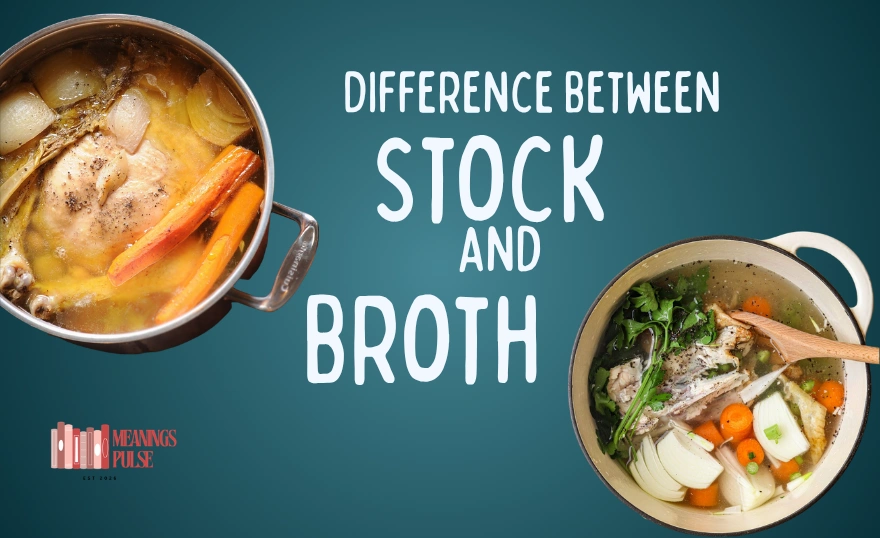
Walk down any grocery aisle and you’ll see cartons labeled “chicken stock” right next to ones labeled “chicken broth,” often at the same price, in nearly identical packaging. It’s no wonder so many home cooks wonder if there’s really a difference between stock and broth, or if the two names are just interchangeable marketing terms.
The truth is, there is a real difference between stock and broth, and understanding it can genuinely change how your soups, sauces, and stews taste. In this guide, we’ll break down what does each mean, look at the difference between stock and broth in cooking, cover the difference between stock and broth for soup specifically, and finally settle the age-old question: is chicken stock and broth the same? By the end, you’ll know exactly which one to reach for and why.
What Does Stock Mean?
Stock is a savory liquid made by simmering bones — usually chicken, beef, or fish bones — along with vegetables like onion, carrot, and celery, for a long stretch of time, often anywhere from four to twenty-four hours. The extended simmering time slowly pulls collagen out of the bones and connective tissue, which breaks down into gelatin. That gelatin is what gives a good stock its silky, slightly thick body, and it’s also why homemade stock often turns jiggly and gel-like once it’s chilled.
Stock is typically left unseasoned or only lightly seasoned, since it’s meant to be a building block rather than a finished dish. Cooks add salt and other seasonings later, once the stock is being used in a specific recipe.
What Does Broth Mean?
Broth, on the other hand, is made primarily by simmering meat — not just bones — along with vegetables and seasonings, for a much shorter period, usually somewhere between forty-five minutes and two hours. Because broth uses meat rather than a long bone simmer, it doesn’t extract nearly as much collagen, which is why broth stays thin and doesn’t gel when it’s refrigerated.
Broth is almost always seasoned with salt, herbs, and spices while it cooks, which means it’s flavorful enough to be sipped or eaten on its own, the way you might enjoy a bowl of chicken broth when you’re feeling under the weather.
Key Differences Between Stock And Broth
Here’s a quick side-by-side look at the difference between stock and broth, broken down by the details that actually matter in the kitchen.
| Feature | Stock | Broth |
|---|---|---|
| Main ingredient | Bones (plus vegetables) | Meat (plus vegetables) |
| Cooking time | 4–24 hours | 45 minutes–2 hours |
| Seasoning | Usually unseasoned | Seasoned with salt and herbs |
| Texture | Thick, silky, often gels when chilled | Thin, light, stays liquid when chilled |
| Flavor | Deep, neutral, meant to be built on | Ready to eat, flavorful on its own |
| Common uses | Sauces, gravies, risotto, braising | Soups, sipping broths, quick meals |
What Is The Difference Between Stock And Broth In Cooking?
When it comes to actual cooking technique, the difference between stock and broth in cooking mostly comes down to purpose. Stock is treated as a foundation — it’s the ingredient professional chefs reach for when they need to build a sauce, deglaze a pan, or add richness to a risotto without changing the seasoning of the final dish. Because it’s unseasoned, stock is flexible; you can reduce it, season it, or blend it into almost anything without worrying about it being too salty.
Broth, meanwhile, is often treated as a near-finished product. Since it’s already seasoned, broth works well in recipes where you want flavor fast, like a quick vegetable soup or a simple noodle bowl. Many home cooks actually use stock and broth interchangeably day to day, and in most casual recipes, that swap won’t ruin the dish — but understanding the difference between stock and broth in cooking helps you know when it actually matters, such as in a delicate sauce that depends on gelatin for its texture.
Difference Between Stock And Broth For Soup
Soup is where the difference between stock and broth for soup becomes most noticeable. If you’re making a light, brothy soup — think a simple chicken noodle soup or a clear vegetable soup — broth is usually the better starting point, since it’s already seasoned and ready to carry the other ingredients.
If you’re making a heartier soup that needs body and richness, like a French onion soup or a creamy bisque, stock tends to be the better choice, because the gelatin naturally thickens the soup and gives it a fuller mouthfeel. Some cooks even combine both: using stock as the base for depth, then finishing with a bit of broth or seasoning to round out the flavor. Either way, knowing the difference between stock and broth for soup means you’re choosing based on the texture and flavor you actually want, not just grabbing whichever carton is closest.
Is Chicken Stock And Broth The Same?
This is one of the most common questions home cooks ask, and the short answer is: not exactly, but they’re close enough that many recipes treat them the same way. Traditionally, chicken stock is made by simmering chicken bones and carcasses for hours to extract gelatin, while chicken broth is made by simmering chicken meat for a shorter time, with seasoning added along the way.
In practice, though, many store-bought brands blur the line, using similar ingredients and methods for both, which is part of why the packaging can look so similar. So is chicken stock and broth the same? Not technically — stock tends to be richer and thicker, while broth is lighter and already seasoned — but for everyday cooking, they can usually be swapped without ruining your dish.
Example: Where You Can Use Stock And Broth
To make the difference between stock and broth a little more concrete, here are 25 everyday examples of how each one gets used in the kitchen.
- Use chicken stock instead of water when cooking rice for a deeper, more savory flavor.
- A rich beef stock forms the base of a classic French onion soup.
- Vegetable broth is a great lighter option for a quick weeknight soup.
- Many risotto recipes call for warm stock, added ladle by ladle, to build creaminess.
- If you’re short on time, a good store-bought broth can save you hours of simmering.
- Bone stock is often used to make pan sauces because of its natural gelatin content.
- A simple chicken broth with noodles is a comforting meal when you’re feeling under the weather.
- Stock adds body to gravies, while broth alone can leave sauces thinner.
- When braising short ribs, a splash of beef stock keeps the meat moist and flavorful.
- Turkey broth is a popular way to use up leftovers after a holiday dinner.
- Fish stock is essential for a proper bouillabaisse or seafood risotto.
- A well-seasoned broth can be sipped on its own as a light appetizer.
- Mushroom stock is a favorite among vegetarians looking for umami-rich flavor.
- Adding stock instead of water to mashed potatoes gives them extra richness.
- Broth-based soups are typically lighter and easier to digest than stock-based ones.
- Homemade stock can be frozen in ice cube trays for easy portioning later.
- A clear chicken broth is often the first step in making a classic matzo ball soup.
- Stock reduced over low heat becomes a flavorful glaze for roasted vegetables.
- Some recipes specifically call for unsalted stock so you can control the seasoning yourself.
- A pho recipe relies on a deeply spiced beef broth simmered with warming spices.
- Stock made from roasted bones has a deeper, more caramelized flavor than one made from raw bones.
- Canned broth is convenient, but homemade stock usually delivers a richer taste.
- Many chefs keep both stock and broth on hand for different cooking needs.
- A hearty vegetable stock works well as the base for a Sunday-night stew.
- Whether you choose stock or broth often comes down to how much richness your dish needs.
Conclusion
At the end of the day, the difference between stock and broth comes down to two things: what’s simmered, and for how long. Stock is built from bones and simmered low and slow until it turns rich, silky, and full of body, while broth is built from meat, seasoned as it cooks, and ready to eat much sooner. Neither one is “better” than the other — they’re simply built for different jobs in the kitchen.
Once you understand the difference between stock and broth in cooking, choosing between them for soup, sauces, or a quick weeknight meal becomes second nature. And the next time someone asks, “is chicken stock and broth the same?” you’ll know exactly how to answer — and exactly which one belongs in your pot.
Read More:
Frequently Asked Questions
1. What is the main difference between stock and broth?
Stock is made from simmered bones over a long period and is usually unseasoned, while broth is made from simmered meat over a shorter period and is seasoned to be eaten on its own.
2. Is chicken stock and broth the same thing?
Not exactly, though they’re often close. Chicken stock is richer and thicker due to gelatin from bones, while chicken broth is lighter and already seasoned. Many brands use them interchangeably.
3. Can I substitute broth for stock in a recipe?
Yes, in most cases you can substitute broth for stock or vice versa. Just be aware that broth is already seasoned, so you may need to adjust the salt in your recipe.
4. Which is healthier, stock or broth?
Both can be nutritious, but stock generally contains more collagen and gelatin from the bones, while broth tends to have more protein from the meat. The healthiest choice often depends on your specific dietary goals.
5. Why does stock gel when it’s chilled but broth doesn’t?
Stock gels because the long simmering time extracts collagen from bones, which turns into gelatin. Broth is simmered for a shorter time and uses meat rather than bones, so it doesn’t develop enough gelatin to gel when cold.
