
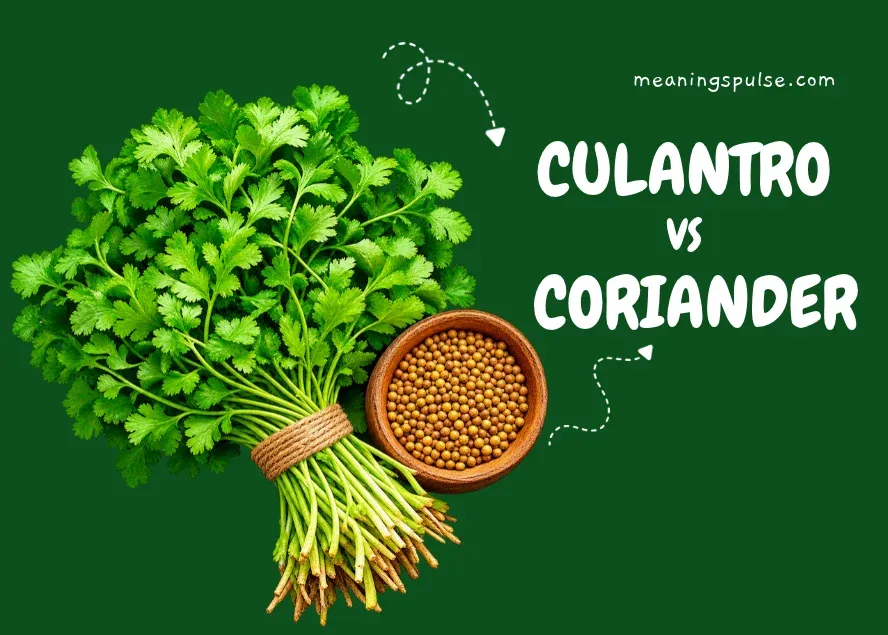
Both words come from the same plant, Coriandrum sativum. In the US and Canada, cilantro usually means the fresh leaves and stems, while coriander means the dried seeds. In the UK, India, Australia and most other English-speaking countries, coriander covers the whole plant, leaves and seeds included. Let’s compare Cilantro Vs Coriander below:
What Does Cilantro Mean?
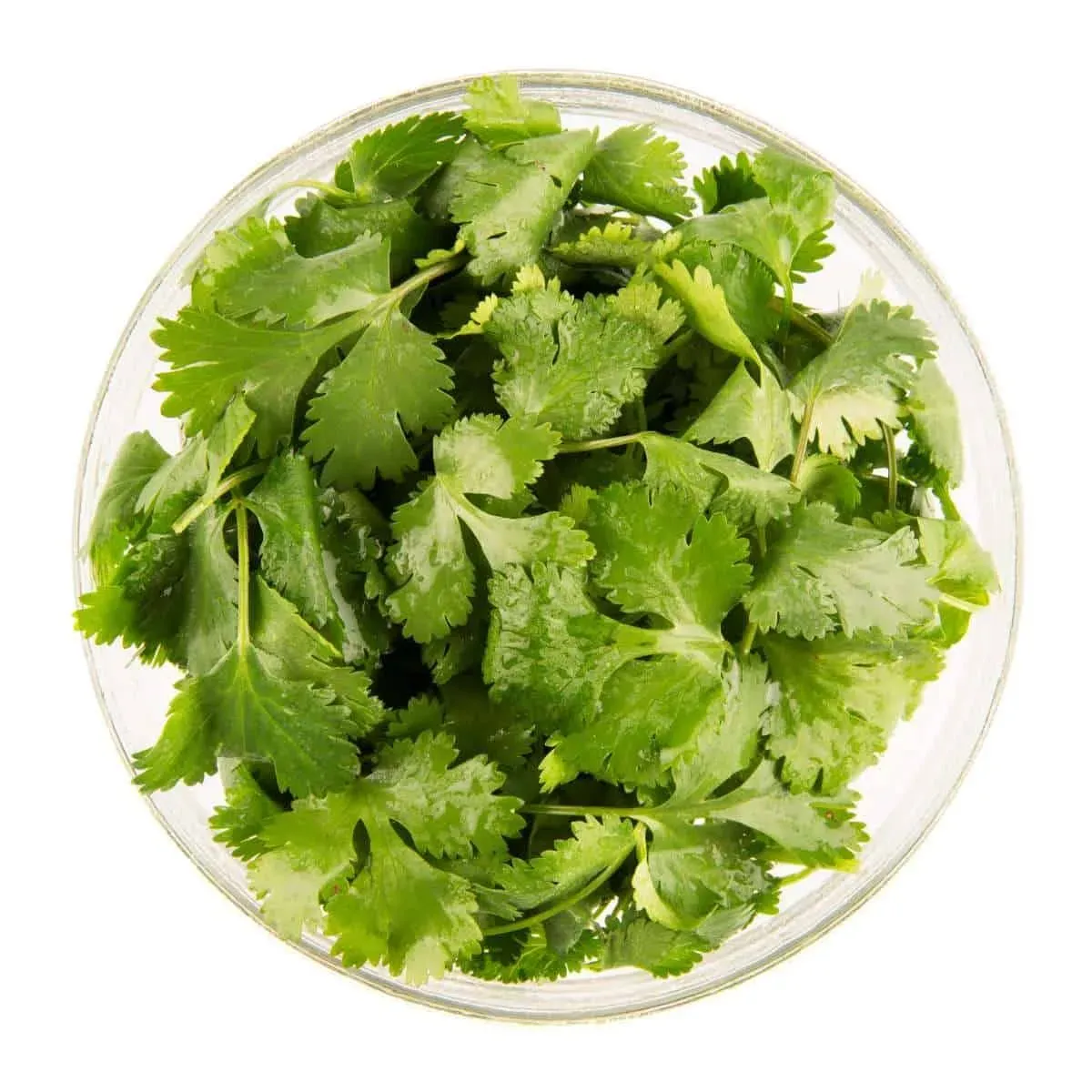
Cilantro (noun) is the fresh green leaves and tender stems of the coriander plant, used as an herb. It is pronounced sih-LAHN-troh in American English.
The word came into English from Spanish and is linked to the Latin word for coriander. It became popular in the US as Mexican and Tex-Mex cooking spread.
Example: “Stir a handful of chopped cilantro into the guacamole just before serving.”
What Does Coriander Mean?
Coriander (noun) has two common meanings. In British English, it is the whole plant and its fresh leaves. In American English, it is mainly the dried seeds, whole or ground, used as a spice.
The word travelled into English through Old French from Latin and Greek. It is the older English word, which is why most of the English-speaking world uses it for everything.
Examples: “Add fresh coriander to the dal” (UK) and “Toast the coriander seeds until fragrant” (US and UK).
Is Coriander the Same as Cilantro?
Botanically, yes. In the kitchen, it depends on where you are and which part of the plant you mean.
If a US recipe says cilantro, buy fresh green leaves. If a UK recipe says fresh coriander, buy the same bunch. If any recipe says coriander seeds or ground coriander, you need the dried spice, which tastes nothing like the leaves.
Cilantro Vs Coriander Difference: Quick Comparison
| Feature | Cilantro | Coriander |
|---|---|---|
| Plant part (US) | Fresh leaves and stems | Dried seeds |
| Plant part (UK, India, Australia) | Rarely used | Leaves, stems and seeds |
| Flavour | Bright, citrusy, herbal | Seeds: warm, lemony, nutty |
| Typical use | Salsa, tacos, chutney, garnish | Curry powders, pickles, spice rubs |
| Added when | At the end of cooking | Early, or toasted first |
Synonyms, Antonyms and Related Words
Synonyms: Chinese parsley, Mexican parsley, dhania (Hindi), fresh coriander, coriander leaves, coriander seed (for the spice).
Antonyms: There is no true antonym, because this is a plant name. For contrast, people sometimes set it against bland or flavourless garnishes, or against look-alike herbs such as parsley.
Related words: herb, spice, garnish, culantro, parsley, chutney, salsa, pico de gallo, linalool, aldehyde, Apiaceae (the carrot family).
Common Phrases Using Cilantro and Coriander
- Cilantro lime rice: rice flavoured with lime juice and chopped leaves. “The burrito bowl came with cilantro lime rice.”
- Hold the cilantro: a restaurant request to leave it out. “I’ll have the tacos, but hold the cilantro.”
- Cilantro hater: someone who dislikes the taste. “My brother is a total cilantro hater.”
- A handful of fresh coriander: a common British recipe line. “Finish the curry with a handful of fresh coriander.”
- Toasted coriander seeds: a spice step. “Grind the toasted coriander seeds into a coarse powder.”
Cilantro Vs Coriander Leaves
The leaves are soft, lacy and strongly aromatic. They are the part most people mean when they say cilantro. Use them raw or add them right at the end, because heat fades their flavour fast. The stems are tender and full of flavour, so chop them too.
Example: Blend leaves and stems with green chilli, lime and salt for a quick chutney.
Cilantro Vs Coriander Seeds
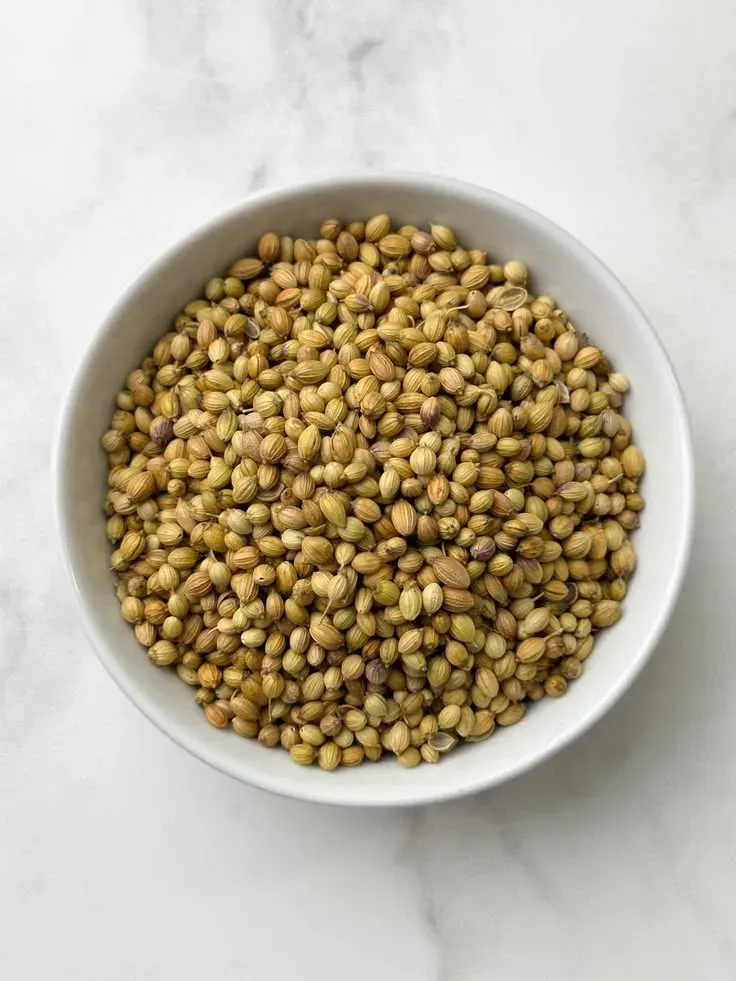
Coriander seeds are the dried, round fruits of the same plant. They taste warm, slightly sweet, citrusy and nutty, with none of the leafy freshness. You find them whole in pickles and stews and ground in garam masala and many curry blends.
Toasting them in a dry pan for a minute releases more aroma.
Example: A spoon of ground coriander gives a Moroccan tagine its earthy backbone, while fresh leaves on top bring brightness.
Fresh Cilantro Vs Coriander
Fresh cilantro and fresh coriander are the same thing. The only difference is the label. Look for bunches with perky green leaves and no yellowing or sliminess. Store them with the stems in a jar of water in the fridge, covered loosely, and they last about a week.
Dried Cilantro Vs Coriander
Dried cilantro is simply dried leaf. It is mild and often tastes more like hay than the fresh herb, so many cooks use it as a pantry backup rather than a real substitute. Dried coriander can be confusing: in the US it nearly always means ground seed, while in the UK a jar labelled coriander may be dried leaf or ground seed. Check the ingredient line.
Example: Use dried leaf in a long-simmered soup, but choose fresh for tacos.
Cilantro Vs Coriander Taste
Fresh leaves taste citrusy, grassy and sharp. Seeds taste warm, lemon-like and slightly sweet. Many people say cilantro tastes like a mix of lime and green herbs. A smaller group says it tastes like soap, which leads to the next question.
Why Does Cilantro Taste Like Soap?
Some people really do taste soap or metal when they eat the leaves. Cilantro contains aldehydes, which are also found in some soaps and lotions. Genetic studies have linked the soapy taste to variations in smell-receptor genes, including one called OR6A2. Genes are not the whole story, and the share of people affected differs between populations.
What may help: crush or finely chop the leaves, since many cooks say bruising softens the taste; add lime or another acid; cook the leaves; or switch to parsley or mint.
Example: If your friend hates cilantro, make the salsa with mint and lime instead.
Culantro Vs Cilantro Vs Coriander
Culantro (Eryngium foetidum) is a different plant, though it belongs to the same carrot family. Its leaves are long, serrated and much stronger in aroma. It holds up well in long cooking and is common in Caribbean, Latin American and Southeast Asian dishes.
Example: Puerto Rican sofrito often uses culantro, while a fresh salsa uses cilantro.
Cilantro Vs Coriander Vs Parsley
Parsley looks similar, but it tastes mild, grassy and slightly peppery, with no citrus note. Flat-leaf parsley has pointier, flatter leaves, while cilantro leaves are rounder and more delicate. When in doubt, rub a leaf between your fingers and smell it.
Which One to Use When
| Situation | Best choice | Example |
|---|---|---|
| Fresh salsa or guacamole | Cilantro (fresh coriander) | Pico de gallo with tomato and onion |
| Spice blend or curry base | Coriander seeds or ground coriander | Garam masala |
| Long-simmered Caribbean stew | Culantro | Sofrito base |
| Mild garnish for pasta | Parsley | Spaghetti with garlic and oil |
| Guest dislikes cilantro | Parsley or mint | Herb salad |
Cilantro Vs Coriander Benefits
Fresh leaves provide vitamin K, some vitamin C and plant antioxidants, though you eat them in small amounts, so the contribution is modest. Seeds add a little fibre and many aromatic plant compounds. Claims that coriander “detoxes” the body are not well proven, so treat them with caution. People who take blood thinners should keep vitamin K intake steady and ask their doctor about diet changes.
Cilantro Vs Coriander Essential Oil
Coriander essential oil is usually steam-distilled from the seeds. It is rich in linalool and smells sweet, woody and floral. Oil made from the leaves, often sold as cilantro oil, is less common and smells greener and sharper. Always dilute essential oils, do a patch test, keep them away from children and pets, and do not swallow them unless a qualified professional advises it.
Can Dogs Eat Cilantro?
In small amounts, usually yes. The ASPCA plant database lists coriander as non-toxic to dogs. Wash the leaves, chop them finely and offer a small pinch as an occasional treat. Avoid leftovers seasoned with onion, garlic or chilli, which can harm dogs. Too much may upset the stomach, and concentrated essential oil is not safe for pets. Ask your vet if your dog has health problems.
Cilantro Vs Coriander In Arabic
Arabic does not split the two words. The plant is called كزبرة (kuzbara, also written kusbara), and it covers both the herb and the spice. To be clear, speakers say الكزبرة الخضراء (fresh green coriander) for the leaves and بذور الكزبرة (coriander seeds) for the seeds. Spellings in English vary by dialect. Hindi works the same way: dhania means both the leaves and the seeds.
American vs British English
Here is how cilantro vs coriander plays out between American and British English:
| Meaning | American English | British English |
|---|---|---|
| Fresh leaves | Cilantro | Coriander or fresh coriander |
| Dried seeds | Coriander seeds | Coriander seeds |
| Ground spice | Ground coriander | Ground coriander |
| Recipe line | “½ cup chopped cilantro” | “a handful of chopped coriander” |
Canada mostly follows the US, while Australia, New Zealand and India follow the British pattern. A Mexican recipe on a UK website will often say coriander where a US site says cilantro.
How People Use These Words on Social Media
TikTok: Videos asking “Are you Team Cilantro or Team Soap?” are a recurring trend, along with taste-test reactions and “cilantro haters” jokes.
Instagram: Recipe captions often say “extra cilantro, always” or “fresh coriander on top,” depending on the creator’s country.
Reddit: Cooking communities often host the cilantro vs coriander reddit debate, where Americans and Britons trade stories about confusing recipes and the soap-taste gene.
Example caption: “Hold the cilantro, please. My taste buds say soap.”
Conclusion
The cilantro vs coriander question has a simple answer: same plant, different names depending on where you live and which part you cook with. Cilantro generally means fresh leaves in American English, while coriander means seeds in the US and everything in British English. Read the ingredient line, check the plant part and add the herb at the right moment, and your recipes will turn out as intended.
Read More:
- Affect or Effect
- Gray or grey
- Ween or Wean
- Alot Or A Lot
- Forty Or Fourty
- Is Tomato A Fruit Or Vegetable
- Leaped Or Leapt
- Soccer Vs Football
- Colon Vs Semicolon
- Acception vs Exception
FAQs
1. Are cilantro and coriander the same plant?
Yes. Both come from Coriandrum sativum. The names differ by region and plant part.
2. Why do Americans say cilantro and Britons say coriander?
Americans borrowed cilantro from Spanish through Mexican cooking, while Britain kept the older English word coriander for the whole plant.
3. Can I replace fresh cilantro with coriander seeds?
No. The flavours are very different. Fresh parsley with a little lime juice is a closer stand-in for the leaves.
4. Why does cilantro taste like soap to some people?
Aldehydes in the leaves and genetic differences in smell receptors can make the taste seem soapy or metallic.
5. Is cilantro safe for dogs?
Small amounts are usually fine, but avoid seasoned dishes and essential oils, and ask your vet if unsure.
We hope you found the perfect name! For more inspiring name ideas and their meanings, explore Word Meaning Zone.
