
The ocher definition is pretty simple: it’s a natural earth pigment, and also the color it produces — a warm, muted yellowish-brown, sometimes leaning more orange or red depending on the mineral mix.
Ocher Definition: What This Word Really Means (And Where It Came From)
Here’s the science-y part, kept short. Ocher is made from clay that contains iron oxide, which is the same compound responsible for rust. That iron content is exactly why ocher ranges from pale yellow to deep reddish-brown — more iron oxide generally means a deeper, rustier shade. Humans have been digging this stuff out of the ground and using it as pigment for tens of thousands of years. Cave paintings in France and Australia, ancient Egyptian tomb art, and traditional face paint used in various Indigenous cultures around the world all relied on ocher because it was accessible, durable, and didn’t fade the way plant-based dyes did.
So when someone asks, “what does ocher mean” in a straightforward sense, the answer is: it’s one of the oldest pigments known to humans, and today it mostly refers to that dusty yellow-brown shade you’ll spot in fall fashion lines, pottery, and interior design mood boards.
Ocher Definition Slang: Is There Really One?
This is where things get interesting — and admittedly a little murky. Search around online and you’ll find scattered claims about an ocher definition slang meaning, popping up mostly in meme accounts, Discord servers, and low-traffic slang blogs. The problem is, these sources don’t agree with each other. Some describe it as a way to call something “dull” or “meh,” others use it to mean “sketchy” or “suspicious,” and a few frame it as a goofy typo-turned-inside-joke for the word “other.”
Here’s the honest take: none of these slang usages appear to be an established, widely recognized meaning the way genuine internet slang like “rizz” or “no cap” is. It looks more like a handful of niche communities independently riffing on an unusual-sounding word, rather than one consistent trend. If you come across “ocher” used strangely online, the safest move is to read the context of that specific post or chat rather than assuming it has one fixed slang meaning everywhere.
Do Gen Z Actually Use This Word?
Honestly? Not in any major, consistent way — at least not yet. Ocher isn’t sitting in the same tier as words like “delulu,” “mid,” or “bet.” It shows up occasionally in niche online spaces, sometimes as a playful stand-in for another word, sometimes just because it sounds a little odd and unexpected, which is exactly the kind of thing that appeals to internet humor. But it hasn’t crossed over into mainstream Gen Z vocabulary the way genuinely viral slang does.
If anything, ocher is more likely to show up in a Gen Z conversation because of its actual color meaning — think fashion hauls, room makeover videos, or a caption describing an autumn outfit — rather than as slang with a hidden second meaning.
Synonyms of Ocher
If you’re trying to find the right word without repeating “ocher” over and over (which, fair), here are common synonyms of ocher, grouped by how close they are in tone:
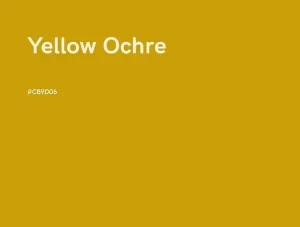
- Closest color matches: amber, tawny, sienna, umber, gold-brown
- Broader warm-tone synonyms: rust, terracotta, mustard, honey-brown, camel
- More technical/art terms: raw sienna, burnt sienna, yellow iron oxide
Not all of these are perfect interchangeable matches — sienna and umber, for example, are technically their own separate pigments — but in casual conversation, they all land in the same warm, earthy color family as ocher.
Ocher in a Sentence: 5 Examples
Sometimes the fastest way to actually get a word is to see it used naturally. Here are five example sentences:
- The living room walls were painted a soft ocher, giving the whole space a warm, sunlit feel even in winter.
- Her scarf was a deep ocher, almost the exact shade of turning autumn leaves.
- Archaeologists found traces of ocher pigment on the cave wall, suggesting it was used in a ritual painting thousands of years ago.
- The designer paired ocher with deep green for a bold, earthy color palette in the new collection.
- He mixed a bit of red into the yellow paint to get closer to that classic ocher tone.
Where You’ll Actually Run Into the Word Ocher
Beyond dictionaries and art classes, ocher shows up more often than you’d think:
- Fashion — ocher is a staple “fall palette” color, especially in knitwear, scarves, and boots.
- Interior design — often used for accent walls, throw pillows, and pottery because it pairs well with green, navy, and cream.
- Makeup — ocher-based foundations and eyeshadows are common for warmer, deeper skin undertones.
- Art supplies — yellow ocher and red ocher are classic paint names you’ll find in almost any professional paint set.
- Branding and design — the color often gets used to signal “earthy,” “organic,” or “vintage” without saying those words directly.
Conclusion
So, what’s the real ocher definition? At its heart, it’s an ancient earth pigment and the warm yellow-brown color that comes from it — a shade that’s been part of human art and design for tens of thousands of years, long before it ever showed up on a paint chip or clothing tag. The slang usage floating around online is far less established, with different corners of the internet describing it in different, sometimes contradictory ways, so it’s worth treating that meaning as unofficial and context-dependent rather than a fixed rule. Whether you’re picking paint for a wall, describing an outfit, or just settling a random argument about what a word means, you now have the full picture — color, history, synonyms, and all.
Read More:
Frequently Asked Questions
1. What is the simple ocher definition?
Ocher is a natural earth pigment made from iron-oxide-rich clay, and also the warm yellowish-brown color it produces.
2. Is “ocher” the same as “ochre”?
Yes. “Ocher” is the American English spelling, and “ochre” is the British English spelling — both refer to the exact same color and pigment.
3. What does ocher mean in slang?
There’s no single, widely agreed-upon slang meaning. Different online communities have used it informally to mean things like “dull,” “sketchy,” or as a playful typo for “other,” but none of these have become a standard, mainstream definition.
4. What are some good synonyms of ocher?
Amber, tawny, sienna, umber, rust, and mustard are all common synonyms, though some are technically distinct pigments in art contexts.
5. Why is ocher important in art history?
Ocher was one of the earliest pigments used by humans, appearing in cave paintings and ancient artwork across multiple continents because it was durable, widely available, and didn’t fade easily compared to plant-based dyes.
We hope you found the perfect name! For more inspiring name ideas and their meanings, explore Grammar Fortune.
